

Most people scroll past the credits. But if you paused during Cobra Kai, you might’ve caught the name Albert Omstead — a guy who spent his career making sure the lights worked, the cables didn’t trip anyone, and the cameras actually had power to roll. He wasn’t famous in the traditional sense, but his fingerprints are all over some of the biggest shows and movies of the last decade. This article digs into who he really was, what he actually did on set, how he died, and why an entire industry stopped to remember him.
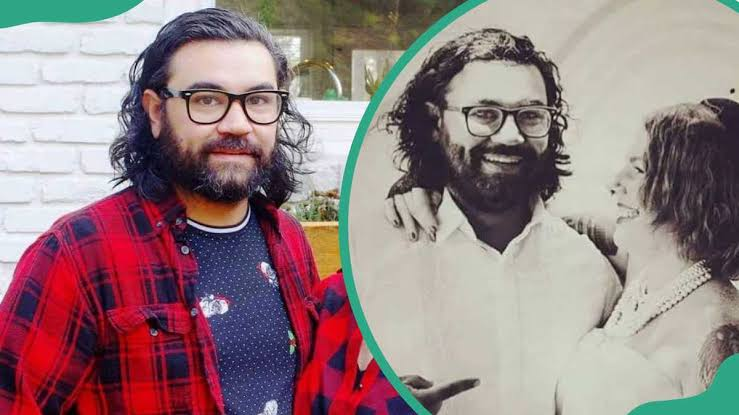
Who Was Albert Omstead?
Albert Omstead was a camera and electrical department crew member in the film and television industry, based out of Atlanta, Georgia. He was born on September 20, 1982, and passed away suddenly on July 19, 2021, at just 38 years old. In the years he worked in the business, he built a reputation as a reliable, hardworking best boy electric, contributing to over 25 productions — everything from Marvel blockbusters to Netflix’s biggest horror-drama hit.
He’s probably best known for his long-running work on Cobra Kai, where he racked up credits on 21 episodes across multiple seasons. But honestly, that’s just one line on a much longer resume that includes Stranger Things, The Walking Dead, Spider-Man: Homecoming, Captain America: Civil War, and Baby Driver.
Quick Facts Table
| Detail | Information |
| Full Name | Albert Omstead |
| Born | September 20, 1982 |
| Died | July 19, 2021 (age 38) |
| Profession | Camera and electrical crew, Best Boy Electric |
| Union | IATSE Local 479 (Atlanta) |
| Notable Credits | Cobra Kai, Stranger Things, Spider-Man: Homecoming, Captain America: Civil War, Baby Driver |
| Spouse | Que Omstead |
| Children | 5 (one biological son, four stepchildren) |
| Cause of Death | Retaining wall collapse |
| Tribute | Cobra Kai Season 4, Episode 7 (“Minefields”) |
A Career Built Behind the Camera
Film production is a weird beast — for every actor you recognize, there’s a small army of people you’ll never see who make the actual filming possible. Albert Omstead was one of those people, working in the camera and electrical department across dozens of projects filmed largely out of Georgia’s booming production scene.
His job placed him right at the center of the action, even if he was never in front of it. Powering cameras, positioning lights, handling rigging — this stuff sounds simple until you realize a single mistake can shut down a shoot for hours (or worse, hurt someone). It’s a job that rewards technical know-how and punishes carelessness, and by all accounts, Albert was good at it.
Also Read: OT7 Quanny Age Revealed
Also Read: Popcorn Google Doodle
As a proud member of IATSE Local 479, the Atlanta-based union representing technical crew, Albert was part of a professional network that gave workers like him legal protections, fair wages, and a real sense of standing within the industry. Being based in Atlanta also put him at the center of one of America’s fastest-growing film hubs — a city that’s rivaled LA and New York for production volume over the past decade, thanks largely to tax incentives that pulled major studios south.
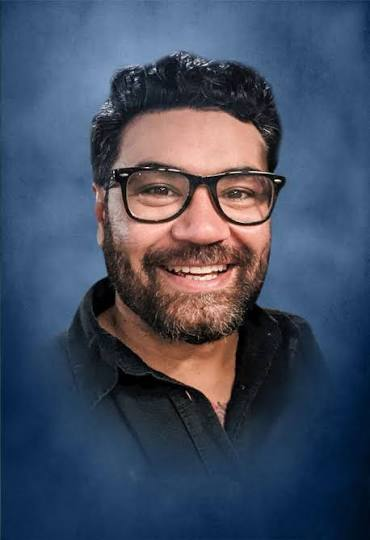
His Essential Role on Cobra Kai
Fans of the Karate Kid sequel series may not have known his face, but they definitely benefited from his work. Albert earned credits on 21 episodes of Cobra Kai, spanning from the early seasons through Season 4. He most often worked as a best boy, which — despite the odd-sounding title — is actually a pretty crucial job on set.
What Exactly Is a “Best Boy”? (Filling in the Details Most Articles Skip)
A best boy is the chief assistant to either the gaffer (the head of the lighting department) or the key grip (the head of the rigging/support crew). Depending on which department they serve, you’ll hear the terms “best boy electric” or “best boy grip” — and Albert primarily worked the electric side.
So what does the job actually involve day-to-day? Here’s a breakdown that most competitor articles gloss right over:
- Equipment management — Best boys track every cable, generator, light stand, and piece of rigging gear on set, making sure it’s inventoried, maintained, and ready to go before cameras roll.
- Crew coordination — They often supervise the rest of the lighting or grip crew, assigning tasks and keeping everyone on schedule, which honestly sounds a lot like managing a small construction crew that has to move fast.
- Troubleshooting — When a light blows a fuse mid-scene or a generator starts acting up, it’s the best boy who has to fix it, usually under serious time pressure since every minute of downtime costs the production real money.
- Safety oversight — Given the sheer amount of electrical equipment and heavy machinery on a film set, the best boy plays a key role in keeping things from going sideways (literally — think tripping hazards, overloaded circuits, unsecured rigging).
As far as career paths go, most best boys work their way up from entry-level grip or electric positions over several years, building trust and technical chops before earning that “second-in-command” title. It’s not a job you fall into — it takes real apprenticeship, and Albert’s consistent presence across multiple Cobra Kai seasons shows just how much trust the production team put in him.
Also Read: Mark Singer Gorilla Glue Net Worth
Also Read: Pedro Paulo Executive Coaching
Notable Film and Television Credits
Albert’s filmography goes well beyond the dojo. Below are some of the productions he’s most known for:
- Stranger Things — Netflix’s flagship sci-fi horror series, known for its atmospheric, moody lighting design
- The Walking Dead — Filmed extensively in Georgia, this zombie drama leaned heavily on local crew talent like Albert
- Spider-Man: Homecoming (2017) — A Marvel Cinematic Universe production requiring large-scale crew coordination
- Captain America: Civil War (2016) — Another MCU blockbuster, shot on one of the largest sets in the franchise
- Baby Driver (2017) — Edgar Wright’s stylish crime film, celebrated for its tight choreography
- I, Tonya (2017) — A critically acclaimed biographical drama
- Freaky (2020) — A horror-comedy that demanded creative lighting setups
That’s a pretty wild range of genres for one crew member to touch — superhero tentpoles, prestige dramas, streaming hits, and indie horror-comedies all in the same career. It really speaks to how in-demand his skills were within the Georgia production hub.
The Tragic Accident and Untimely Passing
Albert Omstead died on July 19, 2021, from injuries sustained when a retaining wall collapsed on him at his home in Georgia. According to his brother-in-law, Scott Wachtel, Albert had been trying to fix a leak near his garage during a stretch of heavy rain — flooding had started creeping into his basement, and he was working to stop it. While standing near the wall, it gave way and collapsed on top of him.
The impact caused internal bleeding, which ultimately proved fatal. It was a freak accident, the kind of thing nobody sees coming, and it happened not on some chaotic film set but in the quiet, ordinary setting of his own backyard. That contrast is part of what made the news so hard for people to process — here was a guy who spent years navigating heavy equipment and rigging hazards professionally, only to lose his life doing basic home maintenance.
Friends described him as a “funny, caring, hardworking, firecracker of a man” — a phrase that stuck with a lot of people who followed the story, largely because it captured someone who clearly left an impression wherever he worked.
The Family He Left Behind
Beyond the film sets, Albert Omstead was, first and foremost, a family man. He was married to Que Omstead, and together they were raising five kids — his biological son, Frankie (just two years old at the time), plus four stepchildren: Nev, Aidan, Liam, and Rowan.
His parents, Imelda and Larry Omstead, and his sisters, Jenny Pampalon and Ruthie Wachtel, were also left to grieve a son and brother whose sudden passing left a massive hole in the family. If you read through the tributes people posted after his death, one thing comes up again and again: how devoted he was to his kids, even with a job that regularly demanded long, unpredictable hours.
Honoring a Legacy: How the Industry Remembered Him
The film industry can feel massive and impersonal from the outside, but it’s actually a pretty tight-knit world once you’re in it — and when Albert died, that community showed up.
The most visible tribute came from Cobra Kai itself. Season 4, Episode 7, titled “Minefields,” was dedicated to Albert’s memory, with an on-screen title card appearing at the episode’s end. For a lot of casual viewers, that dedication card was probably their first introduction to who Albert Omstead even was — a quiet reminder that the shows we binge are built by real people with real families.
Colleagues also spoke up publicly. Gaten Matarazzo, known for his role in Stranger Things — another series Albert worked on — described him as a “funny, caring, hardworking, firecracker of a man.” It’s a small quote, but it says a lot about the kind of guy people remember him as: skilled at his job, but also just genuinely likable to be around.
Community Support for the Omstead Family
After his death, the practical burden on Que and the kids was obviously enormous — medical bills, funeral costs, and potential legal fees from the accident all stacking up at once. To help, Albert’s sisters, Ruth Wachtel and Jennifer Pampalon, organized a GoFundMe fundraiser to support the family through the immediate aftermath.
The response was pretty significant. Colleagues from across the industry, friends, and even strangers who’d only heard the story secondhand chipped in, which speaks volumes about how far Albert’s reputation reached, even for someone who spent his career behind the scenes rather than in front of a camera.
Why the Union and Atlanta’s Film Industry Matter to This Story
Here’s something most tribute pieces skip entirely: IATSE Local 479 isn’t just a name-drop, it’s actually central to understanding Albert’s career. IATSE (the International Alliance of Theatrical Stage Employees) represents crew across nearly every technical department in film and TV — camera operators, electricians, grips, costumers, you name it. Local 479 specifically covers Georgia, and it’s grown massively over the last 15 years as Atlanta transformed into one of the country’s biggest production hubs, driven largely by generous state tax incentives that lured studios away from LA.
For crew members like Albert, union membership meant access to healthcare, retirement benefits, and standardized pay scales — protections that matter a lot in an industry notorious for irregular hours and inconsistent work. Without organizations like IATSE, the below-the-line workforce that actually builds these productions would have far less job security, which honestly makes the community response after Albert’s death feel even more fitting — it’s an industry that, at its best, looks out for its own.
Conclusion
Albert Omstead’s story is really a story about the people who make the entertainment we consume possible without ever asking for recognition. He spent his career as a best boy electric, wiring and lighting some of the biggest productions of the 2010s and early 2020s, from Cobra Kai to the Marvel Cinematic Universe. His death, sudden and tragic, sent ripples through an industry that doesn’t always get to publicly mourn its crew members — but this time, it did, with a dedicated episode, public tributes, and a wave of community support for the family he left behind.
He may not have had his face on a poster, but his work shaped shows millions of people watched and loved. That’s a legacy worth remembering.
Frequently Asked Questions
What was Albert Omstead’s job on Cobra Kai? He worked in the camera and electrical department, primarily as a best boy electric, managing lighting equipment, cables, and rigging across 21 episodes spanning multiple seasons of the show.
How did Albert Omstead die? He died on July 19, 2021, after a retaining wall collapsed on him while he was fixing a leak at his Georgia home during heavy rain. The impact caused fatal internal bleeding.
Which Cobra Kai episode was dedicated to him? Season 4, Episode 7, titled “Minefields,” ended with an on-screen tribute card honoring Albert’s memory and contributions to the show.
What is a “best boy” in film production? A best boy is the chief assistant to the gaffer or key grip, responsible for managing equipment, coordinating crew, and troubleshooting electrical or rigging issues on set.