
Let’s be honest, most executives don’t fail because they lack talent. They fail because nobody ever showed them how to actually lead under pressure. That’s the gap pedrovazpaulo executive coaching was built to close, and if you’ve been searching for a coaching program that goes beyond generic motivational fluff, you’re in the right place. This guide breaks down exactly what makes this coaching model different, how the process actually works, and why it’s becoming a go-to choice for leaders who are done guessing.
Whether you’re a first-time manager who just got thrown into the deep end, or a seasoned C-suite exec who feels like you’ve plateaued, this article gives you the full picture — no filler, just what you need to know.
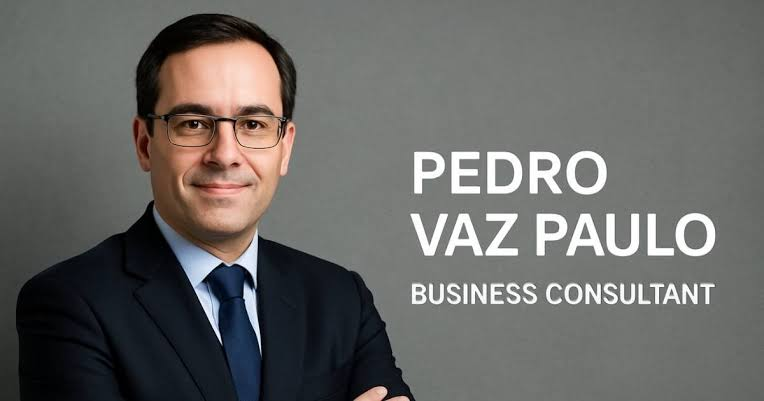
What Is Pedrovazpaulo Executive Coaching?
Pedrovazpaulo Executive Coaching is a personalized, one-on-one leadership development service designed to help managers and senior executives sharpen their decision-making, boost performance, and grow into more confident, capable leaders.
Unlike generic corporate training programs (the kind where everyone gets the same slide deck), this approach is tailored. Each client gets a coaching plan built around their actual challenges — not a one-size-fits-all script. That’s honestly the biggest thing that separates good coaching from the mediocre stuff that floods the market.
At its core, the program rests on three pillars:
- Accountability — clients are held to the goals they set, not just encouraged to “try their best”
- Empathy — coaches actually listen before prescribing solutions
- Continuous learning — the process doesn’t stop once a session ends
Why Executives Actually Need Coaching (It’s Not Just a Buzzword)
Running a team, or a whole company, is genuinely exhausting work, and most people underestimate just how isolating leadership can be. Executive coaching exists because leaders are expected to make high-stakes decisions fast, often with incomplete information, while managing everyone else’s stress too.
This pressure cooker environment leads to a few predictable outcomes:
- Burnout that creeps up slowly and then hits all at once
- Decision fatigue, where even small choices start to feel overwhelming
- A creeping sense of being “stuck” despite outward success
Pedrovazpaulo Executive Coaching → addresses → these pressures directly by giving leaders a confidential space to work through problems with someone who isn’t a direct report, a boss, or a spouse. That neutrality matters more than people realize.
Understanding the Pedrovazpaulo Methodology
The methodology combines several proven tools rather than relying on one single technique, which honestly makes it more adaptable than a lot of competing programs.
Core Tools Used
- Behavioral assessments to identify blind spots and default reaction patterns
- 360-degree feedback, gathering input from peers, direct reports, and supervisors
- Personalized development plans mapped against specific business outcomes
360-degree feedback → reveals → gaps between how a leader perceives themselves and how their team actually experiences them. This is often the single most eye-opening part of the entire process, and clients frequently say it’s the moment things “click.”
The Role of an Executive Coach
An executive coach isn’t a consultant who tells you what to do, and they’re definitely not a therapist (even though good coaching sessions sometimes go deep emotionally). Instead, think of them as a hybrid: part mentor, part accountability partner, part sounding board.
Coaches at Pedrovazpaulo typically help clients with:
| Coaching Function | What It Looks Like in Practice |
| Strength/weakness mapping | Structured self-assessment + peer feedback review |
| Goal calibration | Turning vague ambitions into measurable targets |
| Strategy design | Building action plans for specific obstacles |
| Communication refinement | Practicing tough conversations before they happen |
Executive Coach → acts as → mentor and accountability partner, and this dual role is really what keeps clients engaged over the long haul rather than losing steam after session two.
The Coaching Process, Step by Step
Most people want to know what actually happens once you sign up, so here’s the real breakdown.
- Initial Assessment — the coach digs into your background, current role, pain points, and what “success” even looks like for you
- Goal Setting — specific, measurable objectives get defined (not “be a better leader,” but actual targets)
- Implementation — regular sessions where plans get tested, adjusted, and refined in real time
- Follow-Up — check-ins after the formal engagement ends to make sure progress actually sticks
That last step gets skipped by a lot of cheaper coaching services, and it’s honestly one of the reasons people backslide into old habits.
Also Read: Who Is Katie Zacharia’s Husband?
Also Read: FintechZoom.com Bitcoin Mining
Critical Areas of Focus in Executive Coaching
Coaching sessions usually zero in on a handful of recurring themes, since these tend to be where leaders struggle the most.
- Leadership skills — strategic thinking, team-building, and confident decision-making
- Communication strategies — both verbal and nonverbal, so the vision actually lands with stakeholders
- Conflict resolution — practical tools to defuse tension before it derails a team
- Emotional intelligence — self-awareness, empathy, and staying regulated under stress
Role of Emotional Intelligence in Executive Coaching
Here’s a direct answer up front: emotional intelligence (EQ) is arguably the single biggest predictor of long-term leadership success, more so than raw IQ or technical skill.
Executive Coaching → enhances → Emotional Intelligence by pushing leaders to notice their own triggers, understand how their tone lands on others, and regulate their responses instead of reacting on autopilot. And Emotional Intelligence → enables → better decision-making and stronger workplace relationships, which is really the whole point.
Leaders with high EQ tend to build trust faster, navigate office politics with less friction, and — this one surprises people — recover from setbacks quicker because they’re not spiraling emotionally every time something goes wrong.
The Impact on Organizational Performance
Coached executives → drive → measurable improvements in organizational performance, and this isn’t just feel-good talk.
When a leader sharpens their communication and decision-making, that effect doesn’t stay contained to them personally. It ripples outward. Teams become more cohesive, employees feel more motivated because their manager isn’t constantly stressed or reactive, and productivity tends to climb as a natural side effect rather than something forced through mandates.
Measuring the ROI of Executive Coaching (With Actual Numbers)
This is where a lot of competitor content falls flat — they’ll tell you coaching “improves productivity and engagement” without ever showing you what that actually means in dollars or percentages. Let’s fix that.
Industry research (notably studies referenced by the International Coach Federation and independent firms like Metrix Global) has found that executive coaching can produce an average ROI in the range of 500% to 700%, when you factor in retention savings, productivity gains, and reduced turnover costs. That’s a rough industry benchmark, not a guarantee, but it gives you a real number to anchor expectations.
Here’s a simplified framework you can actually use to estimate ROI internally:
ROI Calculation Framework
- Baseline metrics — measure productivity, retention, and engagement scores before coaching begins
- Coaching investment — total cost (coach fees + time away from regular duties)
- Post-coaching metrics — same measurements, taken 6–12 months later
- Formula — (Financial gain from improvements − Cost of coaching) ÷ Cost of coaching × 100
Common KPIs to track include:
- Employee retention rate within the coached leader’s team
- 360-degree feedback score improvement (often the clearest before/after signal)
- Time-to-decision on major projects
- Employee engagement survey results
Companies that track these numbers consistently tend to justify continued investment in coaching far more easily than those relying on anecdotal “it feels like things improved” reporting.
Also Read: Michael Rainey Jr Net Worth 2025
Also Read: Fashionisk.com Review 2026
A Defined Coaching Framework (Beyond Vague Principles)
Most articles on this topic mention “accountability, empathy, and continuous learning” and then stop there, which honestly doesn’t tell you much. A more structured way to think about the methodology is as a four-phase engagement model:
- Discovery Phase — assessments, interviews, and 360-degree data collection (roughly weeks 1–2)
- Alignment Phase — goals get finalized and tied to specific business outcomes (weeks 3–4)
- Growth Phase — the bulk of coaching sessions happen here, typically over 3–6 months
- Sustain Phase — reduced-frequency check-ins to lock in new habits long-term
Coaches operating under frameworks like this are also often certified through bodies such as the ICF (International Coach Federation) or EMCC (European Mentoring and Coaching Council), which adds a layer of accountability and standardized practice that clients should honestly ask about before signing on with anyone.
Common Misconceptions About Executive Coaching
A lot of people avoid coaching because of myths that just aren’t true anymore.
- “Coaching is only for struggling leaders.” Wrong — many of the best clients are high performers looking to go from good to great.
- “It’s a quick fix.” Nope, real behavior change takes months, not a single weekend workshop.
- “It’s basically therapy.” Related, but distinct — coaching is forward-focused on performance, not clinical treatment.
How to Choose the Right Executive Coach
Picking a coach is a bit like hiring for any critical role — chemistry matters just as much as credentials.
Things worth checking before committing:
- Relevant experience in your industry or leadership level
- Coaching style (some are more directive, others more Socratic)
- Certifications (ICF, EMCC, or similar)
- Willingness to discuss goal-setting and feedback processes upfront
If a coach can’t clearly explain how they’ll measure progress, that’s kind of a red flag honestly.
Preparing for Executive Coaching
Coaching only works if you actually show up ready for it. That means:
- Setting clear, honest goals (not the polished version you’d tell your board)
- Being genuinely open to feedback, even when it stings a little
- Approaching sessions with a growth mindset instead of defensiveness
Challenges in Executive Coaching
It’s not always smooth sailing. Common obstacles include resistance to change (nobody loves being told their habits aren’t working), difficulty maintaining momentum between sessions, and just the plain logistical challenge of balancing coaching with an already packed schedule. Good coaches build strategies specifically to work around these friction points rather than pretending they don’t exist.
Executive Coaching for Career Transition
Whether someone’s stepping into a new role internally or making a full industry jump, career transition coaching helps executives refine new skills, get clarity on what they actually want next, and build the confidence to hit the ground running instead of second-guessing every move for the first six months.
Developing a Coaching Culture in Your Organization
Coaching doesn’t have to stop at the executive level. Organizations that build a broader coaching culture — training managers in basic coaching skills, encouraging peer feedback, promoting a growth mindset company-wide — tend to see better retention and stronger internal mobility over time.
The Future of Executive Coaching
Technology is reshaping this space fast. Virtual coaching platforms and AI-driven assessments are becoming standard rather than novel, and the focus is shifting toward holistic well-being, not just performance metrics. Pedrovazpaulo Executive Coaching is positioned to keep adapting alongside these shifts, which matters a lot given how quickly the corporate landscape keeps changing.
Frequently Asked Questions
Q: How long does a typical executive coaching engagement last? Most engagements run between 3 to 12 months, depending on the goals involved. Short-term engagements focus on specific skills, while longer ones address deeper behavioral change and sustained leadership growth over time.
Q: Is executive coaching only for C-suite leaders? No, definitely not. While senior executives are common clients, many mid-level managers and high-potential employees use coaching too, especially when preparing for promotions or navigating major career transitions.
Q: How is executive coaching different from mentoring? Mentoring usually involves someone senior sharing their own experience and advice. Coaching is more structured and client-led, focused on helping you find your own answers through guided questions rather than direct instruction.
Q: What’s a realistic ROI to expect from executive coaching? Industry studies suggest ROI can range from 500% to 700% when factoring in retention, productivity, and engagement gains, though actual results vary depending on the leader, the organization, and how consistently progress is tracked.
Conclusion
Pedrovazpaulo Executive Coaching isn’t about quick fixes or generic advice — it’s a structured, evidence-backed process built around real accountability and measurable growth. From emotional intelligence to career transitions to building a lasting coaching culture, the approach covers the full spectrum of what modern leaders actually need. If you’re serious about stepping into your full potential, this is the kind of investment that pays off far beyond the coaching sessions themselves.