

Let’s be honest — shopping for larger sizes used to mean settling. Settling for whatever was left on the rack, settling for shapeless cuts, settling for “it’ll do.” That’s changing fast, and xxxxxxxxl size cxx clothing is at the center of that shift. This guide skips the fluff and gets straight into what actually matters when you’re buying — fit, fabric, construction, and the practical stuff most guides forget to mention.
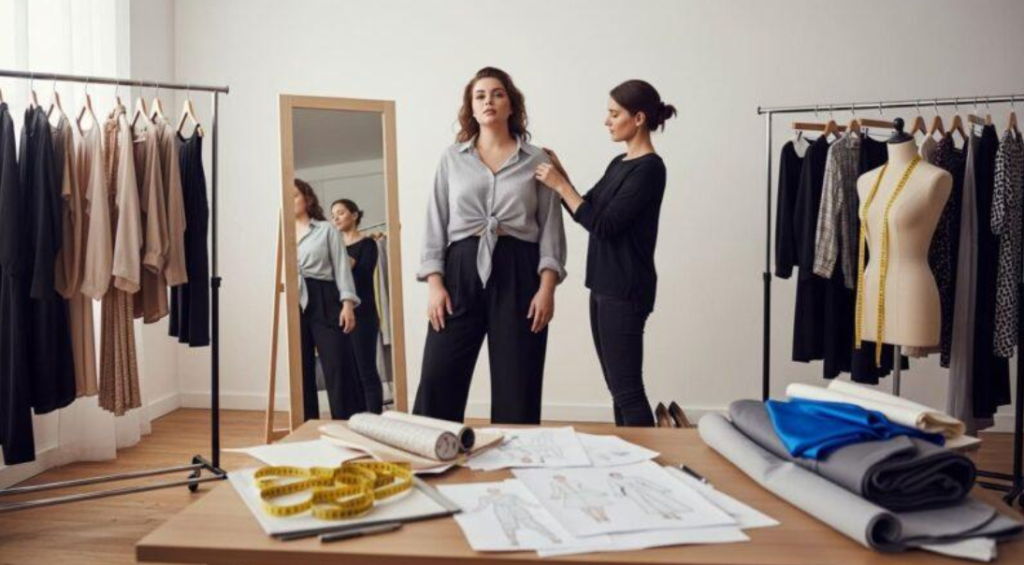
The Inclusive Sizing Movement: Why It’s Not Just a Buzzword
Inclusive fashion has moved from niche marketing term to genuine industry standard, and there’s a reason for that. For years, extended sizes got treated like an afterthought — a slightly bigger version of the same pattern, slapped on a rack in the back corner. That approach just doesn’t work anymore, and honestly it never really did.
Consumers pushed back, and brands listened (eventually). Today, plus-size clothing isn’t a side category anymore, its become a core part of how major and boutique retailers plan their collections. The fashion industry → is responding to → consumer demand for body-positive fashion, and that response keeps accelerating as more people demand clothes that actually fit their real bodies, not some idealized average.
How XXXXXXXXL Size CXX Clothing Is Actually Constructed
Here’s the thing a lot of people don’t realize: you can’t just scale up a pattern and call it done. Extended sizing requires genuinely different engineering, not just more fabric.
Getting the Proportions Right
Skilled designers rework several structural elements when creating larger garments:
- Shoulder seams get repositioned so sleeves hang naturally instead of pulling
- Sleeve length gets adjusted independently of overall garment size
- Waist placement shifts to avoid that shapeless “tent” silhouette
- Reinforced stitching gets added at stress points like underarms, crotch seams, and pocket edges
Body proportion adjustments → improve → garment fit quality — this isn’t opinion, it’s basically the whole reason some extended-size brands feel worlds better than others even at similar price points.
Fit: The Single Biggest Factor in Whether Clothes Actually Work
Good fit changes everything, honestly. Clothes that pull, ride up, or bunch aren’t just uncomfortable, they genuinely affect how you carry yourself throughout the day. Too tight and you’re adjusting your waistband every ten minutes. Too loose and things just look sloppy, even if the fabric itself is nice.
Proper fit → enhances → confidence and appearance, which sounds obvious but it’s worth stating plainly because it’s the entire point of everything else in this guide. So how do you actually nail it when shopping, especially online?
- Pull out a measuring tape and get your actual bust, waist, and hip numbers — don’t guess based on old sizes.
- Cross-reference against the specific brand’s size chart, not a generic industry chart.
- Look for fit notes in the product description (relaxed fit, tailored, true-to-size, runs small, etc).
- Skim a handful of reviews specifically for sizing comments — people are usually pretty honest about this stuff.
Fabric: Where Comfort Actually Comes From
Fabric selection → determines → comfort and breathability, and this matters way more in extended sizes than smaller ones because there’s simply more surface area interacting with your skin all day.
Some standout fabric choices worth prioritizing:
- Cotton blends for everyday breathability and softness
- Stretch fabrics like spandex or elastane blends that move with you instead of restricting movement
- Moisture-wicking textiles, particularly useful if you’re in a hot climate or on your feet a lot
- Elastic fabrics that bounce back to shape instead of sagging after a few wears
A garment can look amazing on a hanger and still be miserable to actually wear if the fabric choice was an afterthought. Always check the fabric composition tag before buying, not just the price tag.
A Practical Sizing Reference (Because Most Guides Skip This)
This is one area competitors barely touch — actual numbers you can use to shop smarter. Sizing across the industry is frustratingly inconsistent, but here’s a general reference point to narrow things down before you commit to a purchase.
| Size Label | Bust (in) | Waist (in) | Hip (in) |
|---|---|---|---|
| 4XL | 52–54 | 44–46 | 54–56 |
| 5XL | 55–57 | 47–49 | 57–59 |
| 6XL | 58–60 | 50–52 | 60–62 |
| 7XL | 61–63 | 53–55 | 63–65 |
| 8XL+ | 64+ | 56+ | 66+ |
Treat this as a starting point, not gospel truth. Brand-to-brand variation is real — what’s labeled 5XL at one retailer might run closer to a 4XL or 6XL somewhere else, so always double check before buying, especially for first-time purchases from a new brand.
Read More: Jack Hibbs Net Worth 2026
Read More: Nate Foy Wife
How to Actually Care For Extended-Size Garments
Nobody really covers this, but it matters a ton. Stitch quality and construction → impact → long-term durability, but even well-made clothing needs proper aftercare to last.
A few habits worth building:
- Wash stretch fabrics in cold water — hot water breaks down elastane fibers over time and your clothes lose their snap-back
- Skip high heat on the dryer for anything with spandex or elastane; air-dry when you can
- Turn garments inside out before washing to protect prints and reduce seam friction
- Fold heavier knits rather than hanging them, since hanging can stretch out shoulder seams over months
Skipping these steps is basically the number one reason people complain their “cheap-feeling” clothes wore out fast, even when the actual garment quality wasn’t bad to begin with.
Buying Checklist: What To Actually Look For
Before checking out, run through this comparison to make sure you’re not missing anything important.
| Feature | Why It Matters | What To Look For |
|---|---|---|
| Fabric Type | Impacts breathability & flex | Cotton blends, stretch fabric |
| Stitch Quality | Determines durability | Reinforced seams |
| Fit Design | Ensures proper proportion | Tailored extended sizing |
| Breathability | Prevents overheating | Moisture-wicking textiles |
| Style Range | Enables self-expression | Modern inclusive collections |
Styling Tips That Actually Work
Wearing xxxxxxxxl size cxx clothing doesn’t mean defaulting to plain basics — that whole idea is outdated at this point, honestly. Modern collections include structured, well-designed pieces that hold their own stylistically.
A few things worth keeping in mind:
- Balanced proportions read as intentional — pairing a well-fitted top with the right bottom silhouette looks put-together, not just “covered up”
- Color isn’t off-limits; the old “always wear dark colors to slim down” advice is honestly kind of tired
- Layering adds visual depth when the fabric weights are chosen thoughtfully
- Accessories — belts, statement jewelry, structured bags — pull an outfit together without needing a full wardrobe overhaul
Should You Shop Online or In-Store?
Both have real upsides depending on what you prioritize. Online shopping opens up way more brand and style variety than most physical stores can carry, plus you get detailed size charts and reviews to fill in the “can’t try it on” gap.
In-store shopping, meanwhile, still holds real value — especially at specialty retailers focused on plus-size clothing with staff trained specifically to help with extended-size fit. There’s something to be said for knowing immediately whether something works instead of dealing with shipping labels and returns.
Plenty of experienced shoppers do a hybrid approach: browse and shortlist online, then head in-store to physically try on the finalists before buying.
Building a Wardrobe That Actually Works Together
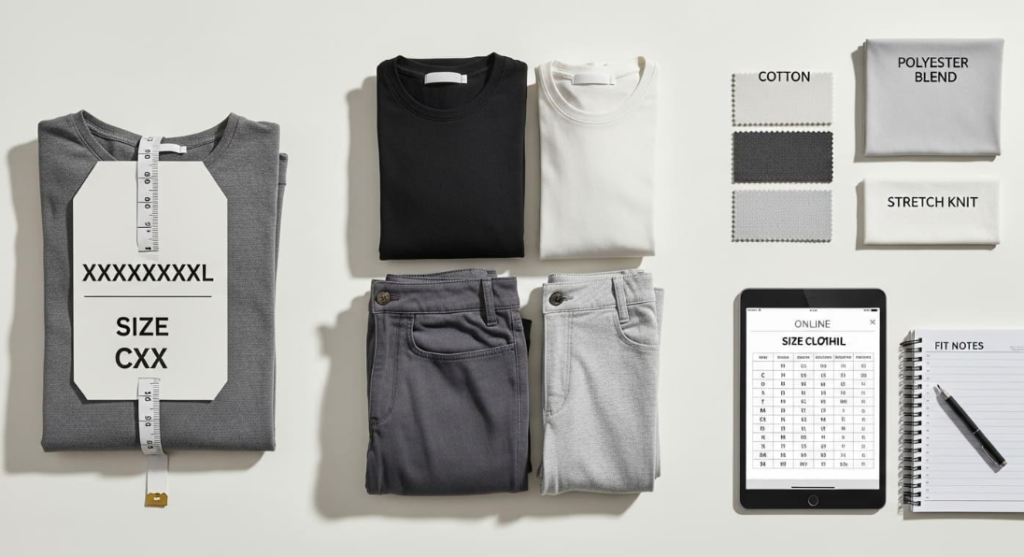
A smart wardrobe of xxxxxxxxl size cxx clothing comes down to picking versatile pieces rather than buying random one-off outfits that don’t mix well. Worth prioritizing:
- Well-cut shirts in a few neutral tones plus one or two statement colors
- Trousers versatile enough for casual and slightly dressier settings
- A lightweight jacket for layering during temperature swings
- At least one elevated piece for events, so your not scrambling last minute
Think seasonally too — breathable fabrics for warmer months, layered pieces for cooler ones. This approach stretches your wardrobe further than buying a ton of disconnected pieces that only work in isolation.
Read More: Is Chanley Painter Married?
Read More: 5StarsStocks.com Income Stocks
Where Inclusive Fashion Is Headed Next
The direction is pretty clear — inclusive fashion keeps expanding, and manufacturing improvements are making well-fitted extended sizes more affordable to produce, which trickles down to better pricing for shoppers.
Inclusive fashion movement → drives → retailer size expansion, and as competition increases in this space, quality keeps climbing. Better textiles, smarter construction methods, and honestly just more brands paying real attention to this category are all pushing things forward for people who’ve been underserved for way too long.
Frequently Asked Questions
Q: How accurate are online size charts for xxxxxxxxl size cxx clothing? A: Fairly accurate if you measure yourself directly and compare against the specific brand’s size chart rather than a generic one. Accuracy varies brand to brand though, so cross-checking reviews for sizing feedback is always a smart extra step.
Q: What’s the best fabric for extended sizes in warm weather? A: Moisture-wicking textiles and breathable cotton blends work best. They help regulate body temperature and reduce discomfort, which matters more with extended sizing since there’s simply more fabric surface area in contact with your skin.
Q: Is extended-size clothing usually more expensive? A: Sometimes, since it requires more fabric and extra construction steps. That said, growing competition among inclusive brands is steadily narrowing that price gap, so it’s worth comparing a few retailers before assuming one price is standard.
Q: How do I keep stretch fabrics from losing their shape over time? A: Wash in cold water and avoid high heat when drying — heat breaks down elastane fibers faster than most people realize. Air-drying and turning garments inside out before washing both help preserve shape and elasticity much longer.